The Conscious Choice to Slow Down: A Gentle Reminder to Live Mindfully
By Dr Anindita Roy ( PhD), 9818541252
Personal reflections after the AIKGA Meeting | 22 October
2026
Session Taken By Senior Dietician, Ms Cheenu Parashar Vig
There was something about the theme of our AIKGA meeting that
made me pause and reflect on my own life. “The conscious choice to slow
down” sounds simple, yet how difficult it can be to practise in a world
that constantly demands our time, attention and energy.
We rush through mornings, eat while looking at screens, spend
hours sitting at our desks and end the day wondering where the time went. Even
our attempts at self-care can become another list of tasks to complete.
I found myself wondering: when did we become so accustomed to
rushing that slowing down began to feel like a luxury?
Perhaps living well is not always about doing more. Perhaps
it begins with paying attention to what we are already doing.
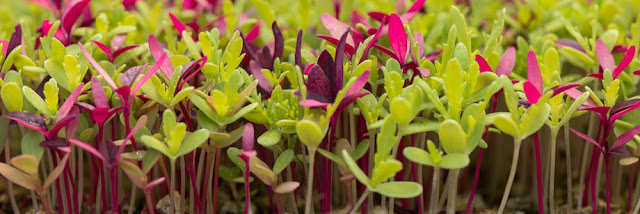
Learning from a Seed
One of the ideas that stayed with me was the joy of growing
something, even in a small balcony garden. We do not need a farm or a large
outdoor space to experience the quiet satisfaction of nurturing life. A few
pots, some soil and a handful of seeds can be enough.
A seed teaches patience. We water it, provide sunlight and
wait. We cannot command it to grow faster simply because we are in a hurry.
Isn't that a lesson we could apply to ourselves? We often
expect immediate results from our efforts, forgetting that meaningful growth
takes time.
The discussion around seeds, including the idea of seven
seeds, reminded me of the possibilities held within small beginnings. Gardening
can be more than a hobby; it can be a way of reconnecting with nature and
rediscovering the pleasure of observing life unfold.
I would like to think of it as cultivating patience, one
little plant at a time.
Have We Forgotten How to Eat?
The conversation about mindful eating made me reflect on how
easily a meal becomes an automatic activity. We sit down to eat, check our
phones, think about pending work and finish our food without really
experiencing it.
Did we notice the aroma, the texture or the flavours? Did we
chew slowly enough to savour the meal?
A prayer of gratitude before eating can create a moment of
stillness. It reminds us of the people, soil, water and effort that brought the
food to our table. The suggestion of taking six deep breaths before a meal
offers another simple way to become present.
I would like to remember that food is more than fuel. It
carries memories, traditions, nourishment and care.
Perhaps eating mindfully is not about following another rule.
It is about giving an ordinary, essential part of our day the attention it
deserves.
Becoming Curious About Our Food
Our discussions about whole grains, flaxseeds, walnuts,
bilona ghee, barnyard millet or samak, rice and Khapli wheat flour
encouraged me to think about how much there is to learn about the food we eat.
Nutrition advice can sometimes feel overwhelming. One day,
something is celebrated as a superfood; the next, we hear warnings about
another ingredient.
Instead of becoming anxious about every choice, I believe we
can begin by becoming more informed.
Flaxseeds and walnuts provide unsaturated fats, while whole
grains, pulses and other varied foods contribute to a balanced diet.
Traditional food practices also offer valuable cultural knowledge, although
specific health claims deserve careful examination.
The discussion about food labels was equally relevant.
Recognising different names for sugars, checking total sugars and understanding
the fats used in packaged foods can help us make informed decisions.
Palm oil, for instance, contains a relatively high proportion
of saturated fat compared with many other vegetable oils. Understanding such
differences helps us consider the overall quality and frequency of our food
choices rather than simply labelling foods as good or bad.
Even breakfast deserves attention. Combining carbohydrates
with protein can provide energy and support satiety. Small decisions, made
thoughtfully over time, can contribute to healthier habits.
Our Bodies Need Movement, Too
The discussion about protein and exercise reminded me that
caring for ourselves requires more than knowing what is healthy. It also
involves making room for appropriate physical activity.
Protein supports the maintenance and repair of body tissues,
including muscles. However, eating protein alone does not guarantee muscle
development. Resistance exercise, adequate nutrition and recovery all
contribute to muscle health.
Movement need not mean an intensive gym session. Walking,
stretching and suitable strength exercises can form part of an active
lifestyle.
I found the suggestion to get up and move every half hour
particularly practical. How easily we become absorbed in work and remain seated
for hours, promising ourselves that we will move later!
The 20-20-20 rule offers another useful reminder for
screen-heavy days: every 20 minutes, look at something approximately 20 feet
away for at least 20 seconds.
These pauses may seem insignificant, but they encourage us to
notice our bodies rather than treat them as instruments that must keep working
without interruption.
Listening to the Body and Mind
The meeting also explored fasting, hydration, nutrient
interactions and the gut–brain axis.
Fasting, including Ekadashi observances, has an important
place in many Indian traditions. For some, it offers an opportunity for prayer,
reflection and restraint. However, fasting is not suitable for everyone, and
individual health needs must be considered.
Similarly, hydration requirements vary according to climate,
activity and health. Understanding nutrition is not about blindly following
rigid rules; it is about making informed choices.
The gut–brain axis particularly interested me because it
highlights the interconnectedness of our bodies and minds. The digestive system
and brain communicate through several pathways, and researchers continue to
investigate their relationship with stress, mood and digestive health.
A food journal, as suggested during the meeting, could help
us observe our habits with greater awareness. Rather than judging ourselves, we
can notice patterns in what we eat, our energy levels and how we feel.
Perhaps the first step towards understanding ourselves is
simply to pay attention.
A Gentle Reminder to Myself
As I reflect on the meeting, I do not want to turn every
insight into another checklist or another standard to meet. Life already places
enough demands on us.
Instead, I want to carry home a gentler message: I can begin
where I am.
I can take a few deep breaths before my next meal. I can chew
slowly, read a food label, step away from my screen or make time to tend to a
plant. I can move more often and become curious about the habits that shape my
well-being.
And when I forget, I can begin again without being unkind to
myself.
For me, the conscious choice to slow down does not mean
abandoning ambition or responsibility. It means making space for awareness
while continuing to live a full life.
Well-being is not a destination we reach after everything
else is done. It is something we practise in the middle of our everyday
routines.
Perhaps the most meaningful change is not doing more, but
experiencing what we do with greater consciousness.
We can begin with the next breath, the next meal or the next
small act of care. Sometimes, that is enough to remind us that life is not
merely passing by. We are here to experience it.
Reflections inspired by the AIKGA meeting held on 22 October
2026.


 Reviewed by CREATIVE WRITER
on
October 23, 2026
Rating:

 Posts




No comments: